A History Walk Through Cape Town's City Bowl: Landmarks and Context
 A History Walk Through Cape Town's City Bowl: Landmarks and Context
A practical walking route through the City Bowl that explains what you are looking at, what it costs, and where to sleep so the whole thing is on foot.
Start at the Castle and the Grand Parade
Begin at the Castle of Good Hope on Buitenkant Street, the pentagonal stone fort begun in 1666 and the oldest surviving colonial building in South Africa. Entry is modest and the daily guided walk with the ceremonial key ceremony is worth timing your morning around — arrive by 09:30. From the castle's main gate, cross to the Grand Parade, the open square where Nelson Mandela addressed the nation from the City Hall balcony in 1990. The City Hall itself, with its Portland stone and clock tower, is a good five-minute pause before you head uphill.
Walk north up Parliament Street and you reach the Company's Garden, the vegetable plot the Dutch East India Company planted in the 1650s to resupply ships. It is free, gated at night, and thick with heritage roses, giant camphor trees and a resident population of grey squirrels. The South African Museum and the Iziko South African National Gallery sit on the garden's edges; the museum charges a small admission, the gallery a similar amount. Weekday mornings are quietest; December and January afternoons get crowded with families.
Parliament, the Slave Lodge and the Company's Garden edge
The Houses of Parliament front onto Government Avenue, the oak-lined pedestrian spine running from the garden to the top of the city. Free guided tours run on weekdays when Parliament is not sitting, and you should book ahead through the visitor centre; bring photo ID. A short block away, the Iziko Slave Lodge on Adderley Street is the single most important stop for context on who built this city — the building housed enslaved people from 1679, and the exhibits connect the Cape's early economy directly to forced labour from Indonesia, India and Madagascar. Allow an hour.
Government Avenue continues north past the Jewish Museum and the Centre for the Book, and spits you out near the top of Adderley Street. This is where you see the City Bowl's geography clearly: the city sits in a natural amphitheatre between Table Mountain and the harbour, and every street either climbs the mountain or drops to the sea. That shape explains the colonial layout — the Dutch placed the Company's Garden as the axis, and the grid grew from there.
Bo-Kaap, Bree Street and the walk's end
From the top of Adderley, climb Wale Street into Bo-Kaap, the slope settled by Cape Muslim families from the late eighteenth century. The brightly painted houses on Wale, Rose and Chiappini streets photograph beautifully, but these are people's homes — keep your voice down, ask before pointing a camera at a doorway, and do not walk into private courtyards. The Bo-Kaap Museum on Wale Street gives the neighbourhood's history properly for a small fee, and the Auwal Mosque, South Africa's oldest, is a working place of worship you should view from outside unless invited.
Come back down to Bree Street for lunch; it is the City Bowl's restaurant spine and the natural end of the walk. Afterwards, wander the in-between streets — Long Street for its Victorian cast-iron balconies, the Eastern Food Bazaar on Darling Street for cheap and generous Indian and Middle Eastern food, and Greenmarket Square for the handover of the city's old slave market into a craft market. Total walking distance is around five to six kilometres; with stops and a museum or two, plan a full day, not a morning.
Where to stay so the walk is on foot
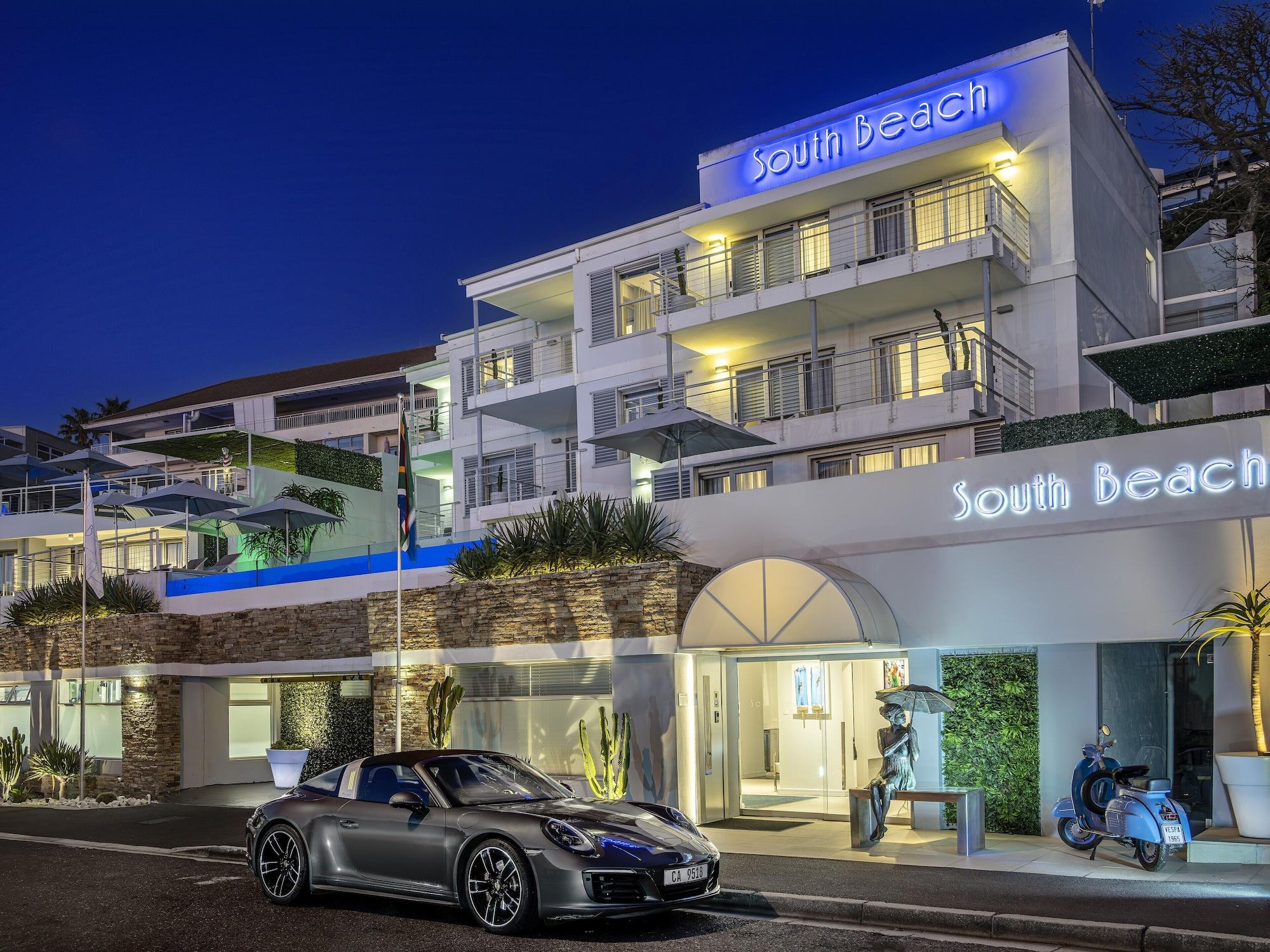
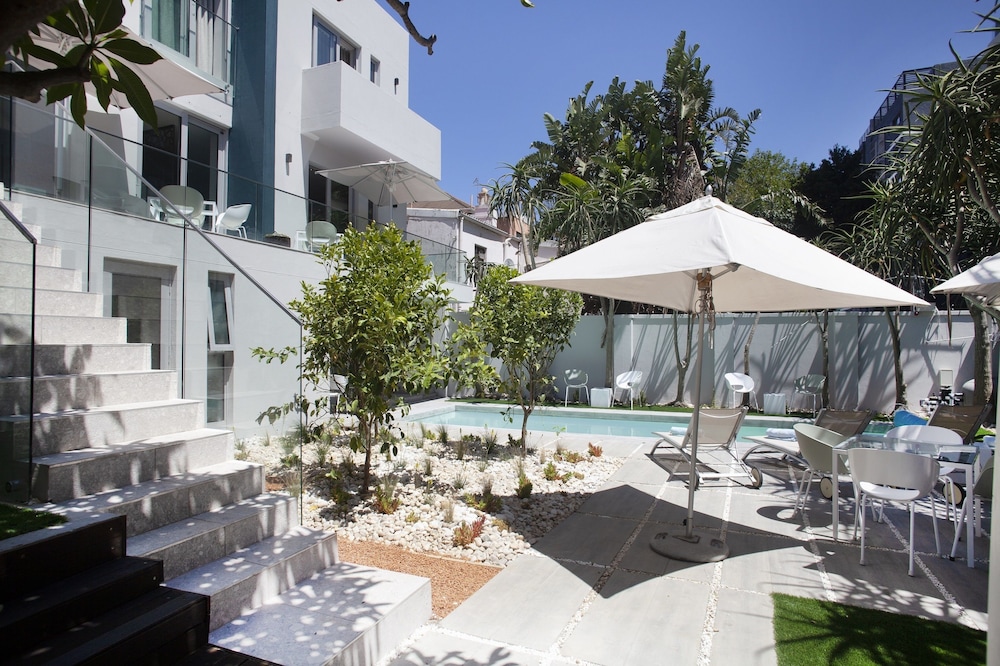
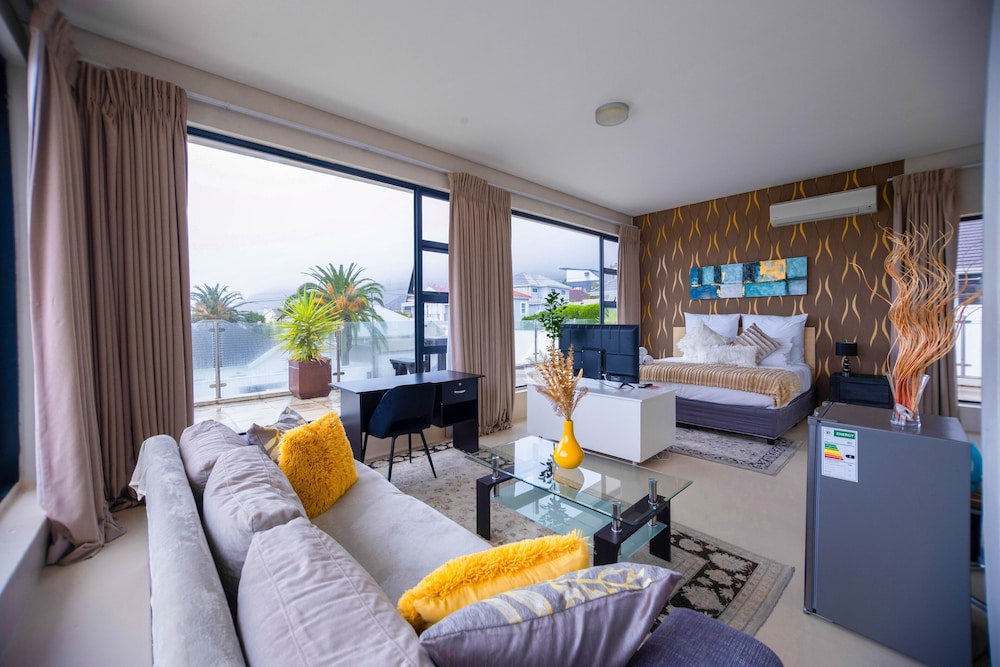
Stay in the City Bowl itself and you avoid the car entirely. Hotels around the bottom of Long Street, on Strand and Adderley streets, and up towards the Company's Garden put the start and end of this route within fifteen minutes' walk. Budget guesthouses cluster in Bo-Kaap and along Buitengracht Street; mid-range and upmarket options concentrate in De Waterkant and around the garden. Expect roughly R1,200–2,500 a night for a mid-range double in high season, less from May to August when the city is quiet, wetter and considerably cheaper.
I would book a room within two or three blocks of the Company's Garden for a first trip — it is central, walkable to everything above, and a short rideshare from the V&A Waterfront if you want the harbour. Skip hotels out along the N1 or in Century City if this walk is your priority; the drive in can take twenty-five minutes in morning traffic and you will spend more on parking than on a museum ticket. February and March are the sweet spot: warm, dry, and past the December crush.
Before you book
The questions people ask about Cape Town, answered with this month’s numbers.
The route is about five to six kilometres. Walking alone takes ninety minutes, but with the Castle, the Slave Lodge and the Bo-Kaap Museum plus a lunch stop on Bree Street, plan a full day and start by 09:30.
Government Avenue, the Company's Garden and the castle area are busy and comfortable by day. Walk in daylight, keep to the main streets after dark, and take a rideshare rather than walking back to your hotel at night with a camera out.
February and March are ideal — warm and dry without December's crowds. May to August is cheaper and quieter but wetter; October and November are a good compromise, with mild days and fewer visitors than midsummer.