Cape Town Beaches for Non-Swimmers: Pools, Promenades, Tides
 Cape Town Beaches for Non-Swimmers: Pools, Promenades, Tides
How to enjoy Cape Town's coastline without strong swimming — tidal pools, level promenades, lifeguard flags and the months when the sea and the wind behave.
Tidal pools and shallows: the safest water in the city
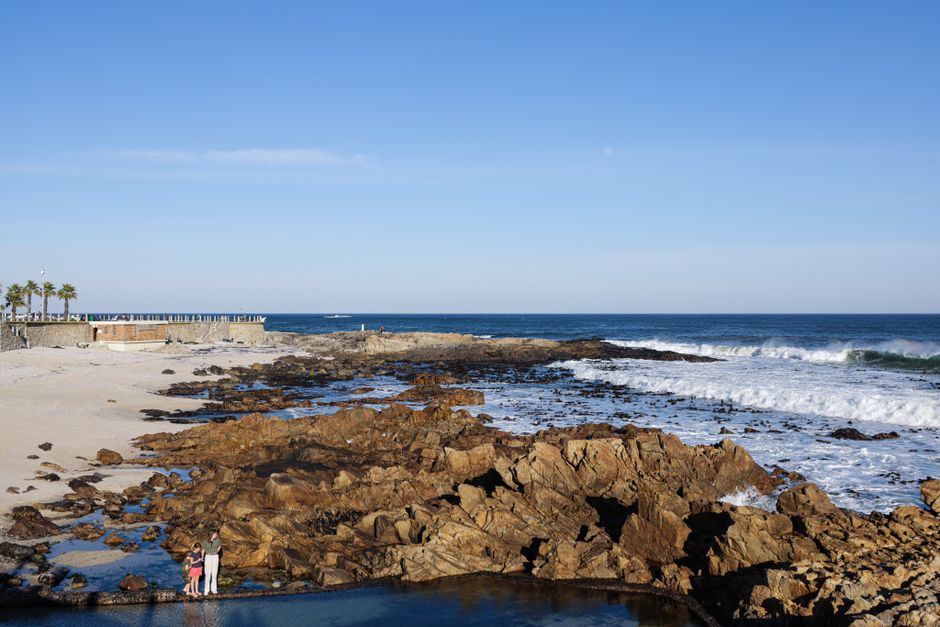
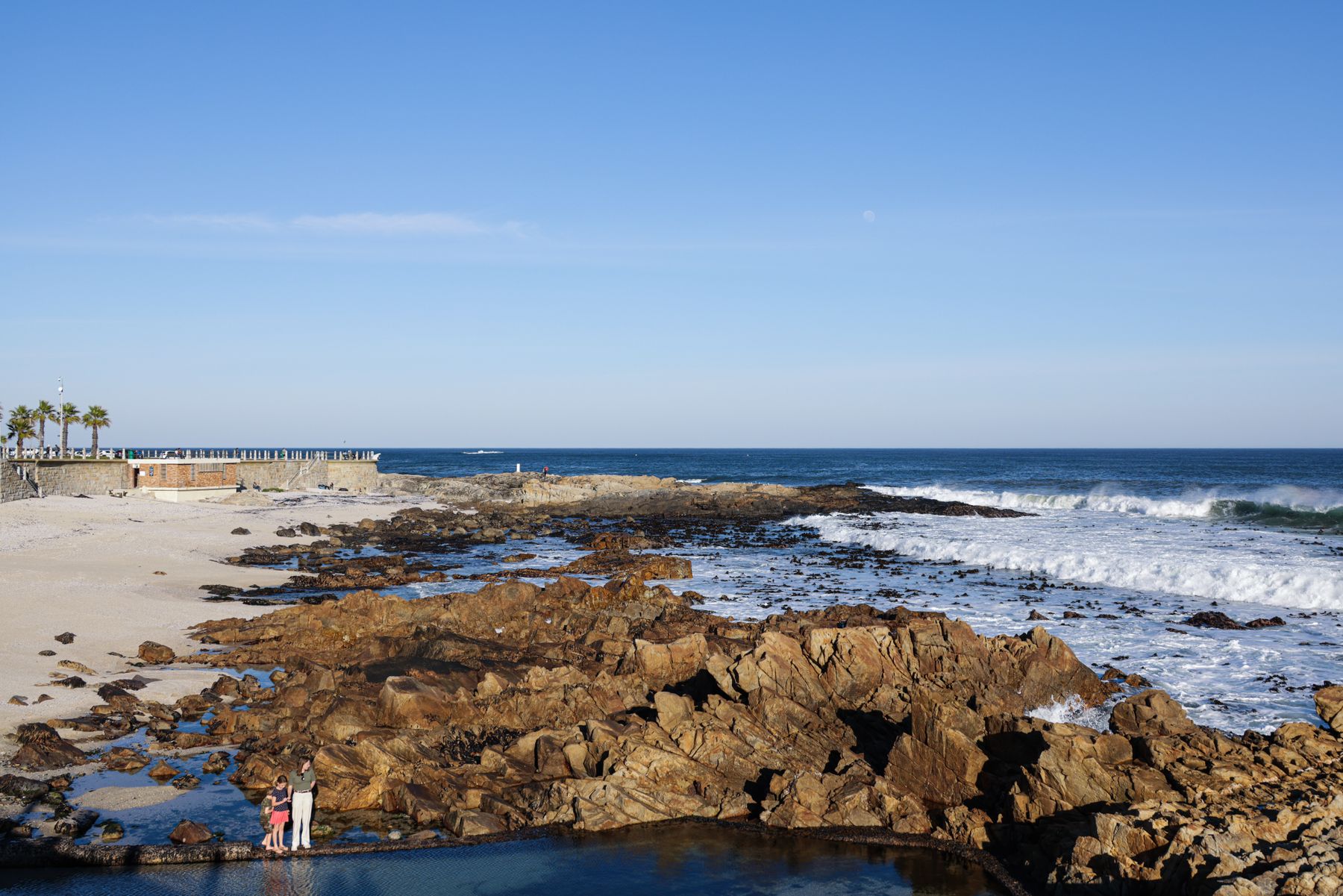
The Atlantic seaboard is cold and often rough, so the tidal pools do the work for you. The Sea Point Pavilion on Beach Road has a large seawater pool plus a smaller shallow one, with lifeguards in season and changing rooms; it is the most reliable option for weak swimmers in the city. Further south, the Dalebrook tidal pool at St James is a calm, walled basin beside the railway line, and Wooleys Pool just north of Kalk Bay station is a deep but sheltered rectangle that many locals use for gentle laps at low tide.
Check tide tables before you go, because these pools empty and refill twice a day. At Dalebrook and Wooleys, aim for two hours either side of high tide; at low water the basins turn into rock and weed. Water temperatures sit around 14-18C on the Atlantic side even in summer, so a rash vest helps more than courage. If you want warmer water and no surf, drive 30 minutes east to Muizenberg or 45 minutes to Strand on False Bay, where summer readings reach the low twenties.
Promenades and level walks with sea views
The Sea Point promenade runs roughly 4km from the Mouille Point lighthouse to Saunders Rocks, is paved, lit and mostly flat, and has benches, public exercise equipment and guarded play areas. It is the best place in Cape Town for a non-swimmer to spend a morning: you get the ocean, the spray and the mountain behind you without entering the water. Start at the Green Point end near the Cape Town Stadium, walk south, and finish with coffee on Regent Road. Bicycles and e-scooters can be hired along the route.
For a quieter version, the Camps Bay promenade along Victoria Road is shorter but framed by the Twelve Apostles, and the paved path at Mouille Point links to the lighthouse and the Putney Road parking area. Both are busy at sunset; mornings are calmer and the south-easter, the summer wind that builds through the afternoon, is weaker before 11am. On the False Bay side, the Kalk Bay harbour wall and the St James walkway to Muizenberg give you flat, sheltered strolling when the Atlantic side is blowing.
Reading the flags, the wind and the seasons
Lifeguards patrol the main swimming beaches — Camps Bay, Clifton's four beaches, Muizenberg and Fish Hoek — from roughly November to April, and flags mark the safe zone between them. If you are not a confident swimmer, stay between the red-and-yellow flags and never beyond knee depth where there is surf, because rip currents at Camps Bay and Muizenberg are real and move fast. Fish Hoek is the gentlest surf beach in the city and a sensible choice for paddling with children.
Wind matters as much as water. Cape Town's south-easter blows hardest from December to February and makes the Atlantic beaches unpleasant by mid-afternoon; the False Bay side is often calmer then. The winter months from June to August bring rain and big swells, so plan indoor alternatives such as the V&A Waterfront or the Two Oceans Aquarium. Whatever the season, the sun is strong: the UV index regularly reaches extreme, and the south-easter can hide how hot it is until you burn.
Where to base yourself, and what to skip
If the coast is the point of the trip, book in Sea Point, Green Point or Mouille Point, where you can walk to the promenade and the Pavilion pool and reach Camps Bay in 10 minutes by car. Bantry Bay and Clifton are beautiful but steep and short on parking. Muizenberg and Kalk Bay suit families and train users, with the False Bay line from Cape Town station running along the shore. The Atlantic seaboard is 25-35 minutes from the airport by car; allow an hour in morning traffic from the southern suburbs.
Skip swimming at Strandfontein and the more remote False Bay beaches unless you know the conditions, and do not treat the tidal pools as wave-free at high tide in a big swell — they get washed over and close. Skip organised boat trips to seal colonies if you are prone to seasickness; the swell off Hout Bay and Duiker Island can be heavy. For a first visit, I would book a hotel in Sea Point or Green Point and use the promenade and the Pavilion pool as the daily base, with one day trip to Muizenberg.
Before you book
The questions people ask about Cape Town, answered with this month’s numbers.
No. The Sea Point Pavilion pool, Dalebrook and Wooleys tidal pools, and the flat Sea Point and Camps Bay promenades let you enjoy the coast without entering open water. Stick to lifeguarded areas and knee depth if you paddle.
November to April for lifeguards, longer days and drier weather, with mornings best before the south-easter builds. February and March are usually the most settled. June to August is wet and swell-heavy, so plan more indoor time.
No. They empty at low tide and can be overtopped by swell at high tide, especially in winter. Check a tide table, aim for two hours either side of high water, and avoid the pools when a big swell is running.