Cape Town Buses Explained for Short-Stay Visitors
 Cape Town Buses Explained for Short-Stay Visitors
How MyCiTi, Golden Arrow and the tourist shuttles actually work in Cape Town, with routes, fares in bands, travel times and the trips worth skipping.
MyCiTi: the one bus system a visitor should learn
MyCiTi is Cape Town's integrated rapid bus network and the only service most short-stay visitors need to understand. It runs on dedicated lanes and red buses, with a trunk route from the Civic Centre station on Hertzog Boulevard out to Table View and the West Coast, and a separate airport service, the T01, linking Cape Town International to the Civic Centre in roughly 30 minutes outside peak traffic. You cannot pay cash on board: buy a myconnect card at a station kiosk or participating retailer, load it, then tap in and out. Fares are distance-banded and modest, well under a typical rideshare fare for the same trip.
The Atlantic seaboard routes are the useful ones for holidaymakers. Buses run from the Civic Centre through Green Point and Sea Point along Main Road, then on to Camps Bay and Hout Bay, putting Mouille Point's lighthouse, the Sea Point promenade and Camps Bay beach within a short walk of a stop. Services are frequent in daylight hours, thinner in the evening, and stop earlier than a European metro. I would book a hotel in Green Point or Sea Point if you plan to rely on MyCiTi, because you get beach, promenade and city access on one line without changing. Skip it for late dinners in the city bowl unless you are comfortable with a rideshare home.
Golden Arrow: the commuter network and how to use it carefully
Golden Arrow Bus Services is the long-established commuter operator, running large buses across the metro from the central terminus near the old Cape Town station and Strand Street. Routes reach Mitchells Plain, Khayelitsha, Bellville, Wynberg, Claremont and Hout Bay, with cash fares paid to a conductor on board or a prepaid ticket. For a visitor, the practical uses are limited: the southern suburbs line through Observatory, Mowbray, Rosebank and Claremont is handy if you are visiting the university area or connecting to Kirstenbosch by rideshare from Claremont.
Outside weekday commuting hours, services thin out and some routes are not designed around visitor landmarks. Standing at the wrong stop after dark with a paper timetable is not how I would spend an evening. If your hotel is in the City Bowl, Woodstock or Observatory, Golden Arrow can work for daytime hops along the southern suburbs corridor. For everything else, treat it as a backup. I would not build an itinerary around it, and I would not use it for airport transfers: the MyCiTi T01 or a pre-booked car is simpler and far less stressful with luggage.
The sightseeing buses: worth it for two specific cases
Cape Town's hop-on hop-off sightseeing buses run on colour-coded loops from the city centre, covering Table Mountain's lower cableway station, Camps Bay, Constantia wine estates, Kirstenbosch and the V&A Waterfront. Tickets are sold as one-day or two-day passes and sit in a mid-range price band, more than a week of MyCiTi fares but less than a private driver for the day. Buses run roughly every 20 to 30 minutes in season, with commentary included. For a first visit of two or three days with no car, the red city loop plus the blue peninsula or wine route loop is genuinely efficient.
The honest limitation is time. You spend a fair share of the day waiting at stops and sitting in traffic on Kloof Nek Road, and the wine route loop gives you perhaps an hour at each estate. If your priority is two or three Constantia or Stellenbosch estates at a relaxed pace, a pre-booked private driver split between four people often costs about the same and gives you far more control. I would book the sightseeing pass for a single day covering Table Mountain and Kirstenbosch, and arrange a driver for the Winelands. Buy passes online a day ahead in December and January, when queues at the Waterfront terminus lengthen.
Practical routing, seasons and where to base yourself
Cape Town's weather shapes bus travel more than most cities. November to March is dry, windy and bright; the south-easter, locally the Cape Doctor, can make an open-top sightseeing bus unpleasant on the Camps Bay side, so sit downstairs or ride earlier in the day. June to August brings rain and wind, fewer tourists and lower hotel rates, but promenade stops are exposed and you will want a waterproof layer. December and January are peak: buses are fuller, roads to Table Mountain congested, and the cableway can close for wind, so keep a bus-based backup plan such as the V&A Waterfront or the Company's Garden.
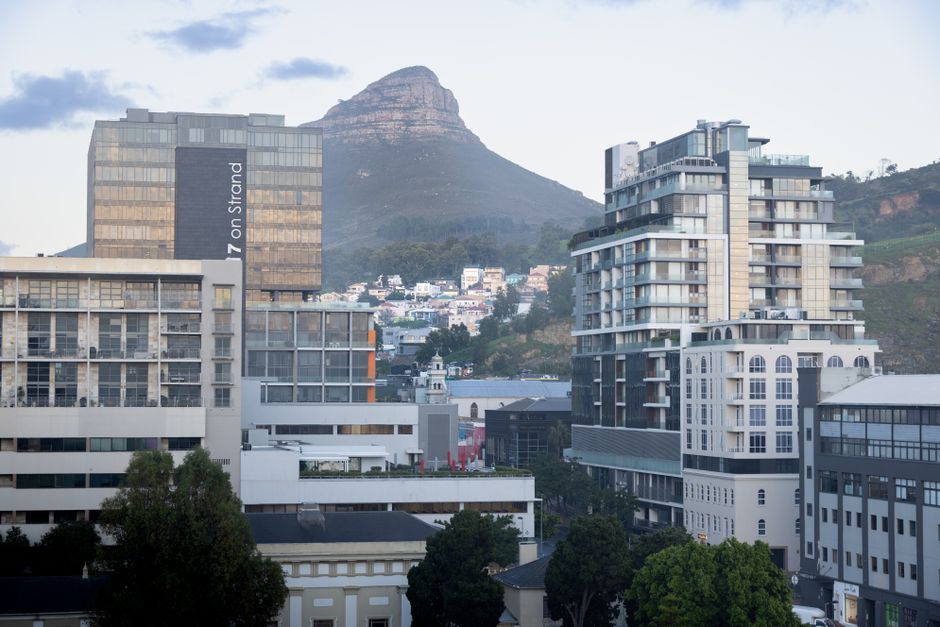
Where you stay decides how much bus you actually need. Green Point and Sea Point suit MyCiTi; the City Bowl around Bree, Long and Kloof streets puts you near Civic Centre and the Golden Arrow terminus and walkable to restaurants; the V&A Waterfront is convenient for sightseeing-bus departures but pricier and more resort-like. If you are only in town three nights and want Table Mountain, the Waterfront and a beach, base yourself in Sea Point and use MyCiTi plus one sightseeing day. If you have a car, skip the buses entirely: parking at the cableway and Kirstenbosch is manageable outside peak season, and the peninsula drive to Cape Point rewards the flexibility.
Related articles
Before you book
The questions people ask about Cape Town, answered with this month’s numbers.
No. You need a myconnect card, bought at a station kiosk or participating retailer, loaded with value and tapped on entry and exit. Fares are distance-banded and low. Keep the card for your whole stay; it also works on the airport T01 service.
The MyCiTi T01 runs between Cape Town International and the Civic Centre station in roughly 30 minutes outside rush hour. It is far cheaper than a taxi and drops you near the City Bowl and the MyCiTi trunk routes. For late-night arrivals with luggage, a pre-booked car is easier.
For a first visit of two or three days without a car, yes: one day covering Table Mountain and Kirstenbosch is efficient, with commentary included. For the Winelands, a shared private driver often costs similar per person and gives you more time at each estate.
MyCiTi and the sightseeing buses are straightforward in daylight and on main routes. Use common sense as anywhere: avoid isolated stops after dark, keep valuables out of sight, and take a rideshare at night rather than waiting on a quiet road. Ask your hotel which stop they recommend.
MyCiTi is the newer rapid network with dedicated lanes, prepaid cards and routes aimed at the Atlantic seaboard, airport and Table View. Golden Arrow is the older commuter operator, cash or prepaid, serving the southern suburbs, Cape Flats and northern towns. Visitors mostly use MyCiTi.
Green Point and Sea Point sit on the MyCiTi Atlantic route to Camps Bay, with the promenade on your doorstep. The City Bowl near Bree and Long streets is walkable to the Civic Centre and Golden Arrow terminus. The V&A Waterfront is best for sightseeing-bus departures but more expensive.
Services thin sharply after the evening commute and many routes stop well before midnight. Plan dinner in the city and take a rideshare back to your hotel rather than relying on a late bus. Schedules are posted at stations, and hotel reception can confirm the last service.
March to May and September to November offer mild weather, thinner crowds and easier buses. December and January are peak, with fuller services and congested roads to Table Mountain. June to August is rainy and windy but cheaper; pack a waterproof layer for exposed promenade stops.