Cape Town for First-Timers: Ten Practical Tips Before You Book
 Cape Town for First-Timers: Ten Practical Tips Before You Book
What to sort out before you land in the Mother City, from which side of the mountain to sleep on to how the weather decides your itinerary.
Pick your base by how you will move, not by the view
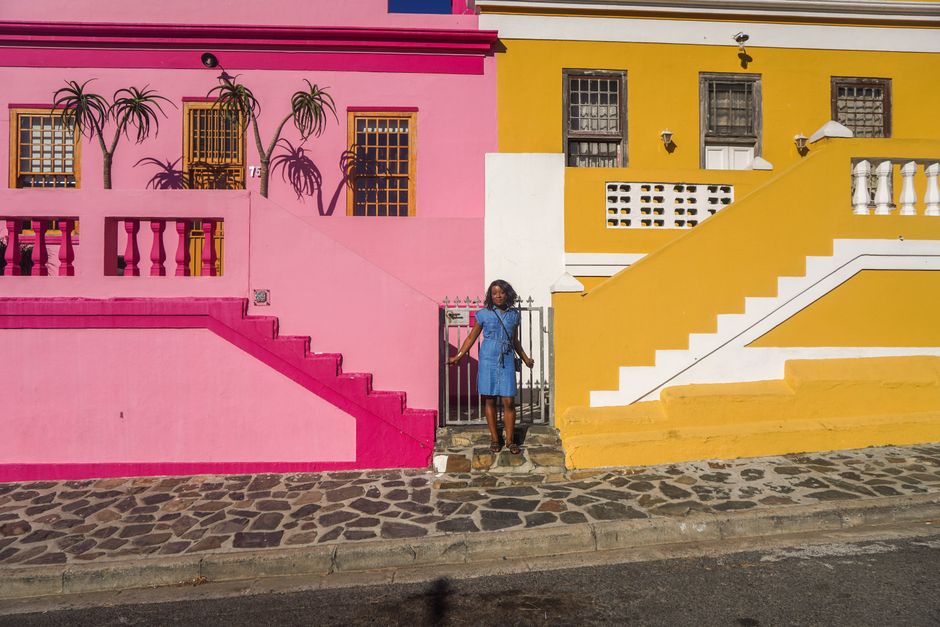
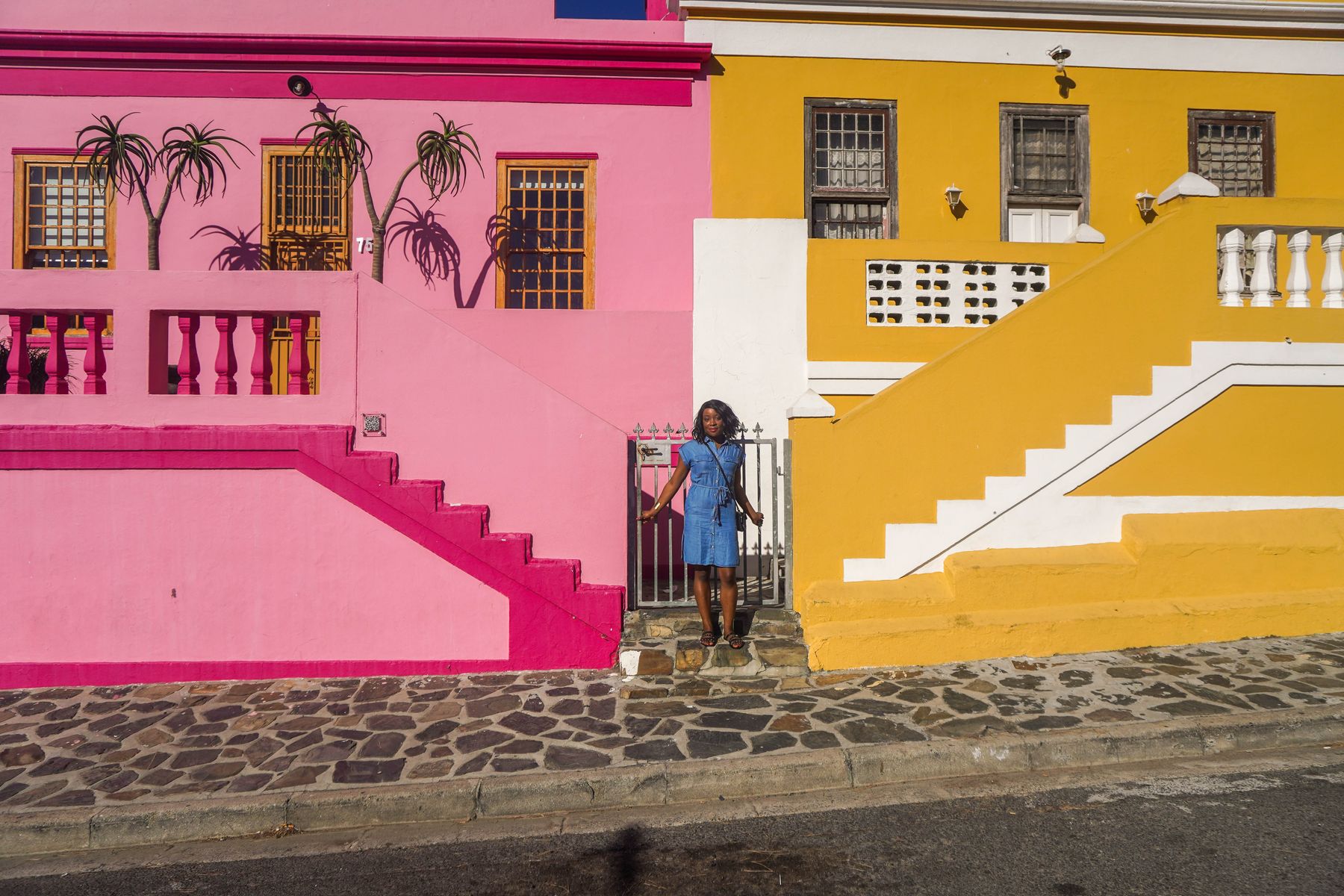
Cape Town's geography decides your holiday more than any hotel rating. The City Bowl, sitting between Table Mountain and the harbour, puts you within walking distance of the Company's Garden, Bree Street's restaurants and the Bo-Kaap, and gives you a 10 to 15 minute drive to Camps Bay over Kloof Nek. The Atlantic seaboard suburbs of Sea Point, Green Point and Mouille Point are flatter, easier for morning walks along the promenade, and roughly 10 minutes from the V&A Waterfront by car. The southern suburbs around Newlands and Claremont sit closer to Kirstenbosch and the Constantia winelands but add 20 to 30 minutes to any city outing.
If you have two or three nights only, stay in the City Bowl or Green Point and walk or ride-share rather than renting a car. For a week or more, split the stay: four nights central, then two or three in Constantia or around Kalk Bay if you want the peninsula and the wine routes on your doorstep. Beach-first travellers should weigh Camps Bay's summer crowds against Sea Point's year-round practicality. I would book Sea Point for a first trip of five nights or fewer, and the City Bowl if restaurants matter more than sea air.
Weather, wind and the best months to come
Cape Town's seasons run opposite to Europe's. December to February is hot, dry and busy, with daytime temperatures often in the high twenties Celsius and the south-easterly wind known as the Cape Doctor blowing hard through the City Bowl and along Table Mountain's eastern slopes. March to May is the sweet spot: warm, calmer, cheaper than peak season, and the vineyards around Stellenbosch and Franschhoek are turning. June to August is wet and cool, around 8 to 18 Celsius, which is whale season along the Overberg coast and the quietest time for hotel rates.
Build flexibility into any itinerary. Table Mountain's cable car closes in strong wind, and the Cape of Good Hope road via Chapman's Peak can shut after storms. Keep a mountain day spare and swap it in when the weather clears. Book the cable car and Robben Island ferry early in your stay so you have options to reschedule. If you are coming purely for beaches and the Winelands, aim for late February into March, after the school holidays and before the autumn rains begin in April. Winter travellers should pack layers and a waterproof shell rather than an umbrella.
Getting around, and what you can skip
Renting a car is the single biggest quality-of-life decision. The MyCiTi bus network is clean and useful between the City Bowl, Sea Point and the Waterfront, but it will not take you to Kirstenbosch, Boulders Beach or Cape Point efficiently. Ride-hailing apps work well in the city and southern suburbs and are simpler than parking in the City Bowl. Distances are bigger than they look on a map: the V&A Waterfront to Kirstenbosch is about 20 minutes, to the Cape of Good Hope about 75 minutes, and to Stellenbosch roughly 45 minutes outside peak traffic.
Skip the hop-on hop-off bus if your time is short; it spends more time in traffic than at the stops. Skip organised tours to the Waterfront and instead spend the money on a guided Robben Island trip, which is the only way onto the island. Do not attempt Table Mountain, Cape Point and Boulders Beach in one day. Do book accommodation with parking if you are driving, especially in the City Bowl and along the Atlantic seaboard, where street parking is tight and often timed.
Money, safety habits and booking timing
Card payment is standard almost everywhere, including markets and small cafes, and contactless works on the MyCiTi system. Tipping is customary at roughly 10 to 15 percent in restaurants, and a small amount for car guards and porters. Summer rates in Camps Bay and the Waterfront climb steeply between mid-December and early January, when South African school holidays and international visitors overlap; book those weeks three to four months ahead. Outside that window, two to six weeks' notice is usually enough, and May and September offer the best balance of weather and availability.
Treat safety as ordinary city awareness rather than alarm. Do not walk alone after dark on quiet streets, keep phones out of sight at traffic lights, and use ride-hailing after evening meals instead of unlit shortcuts. Ask your hotel which streets they recommend at night; local advice beats generic warnings. Carry a light layer for the evening south-easterly and a refillable bottle, since tap water is safe to drink. Then leave room in the plan for a slow morning at Kirstenbosch or a swim at Boulders, which is the part most first-timers remember.
Before you book
The questions people ask about Cape Town, answered with this month’s numbers.
Five full days covers the City Bowl, Table Mountain, the Waterfront, the peninsula and one Winelands day without rushing. Seven days lets you add Kirstenbosch, a Constantia wine estate and a slower beach day. Fewer than four days means choosing between the mountain and the peninsula, not both.
For a city-only stay of two or three nights, no. Ride-hailing and the MyCiTi bus cover the centre. For Kirstenbosch, Cape Point, Boulders Beach or the Winelands, a rental car saves hours. Book a hotel with parking if you drive, particularly in the City Bowl.
Late April to early June and September to early November usually bring lower room rates than the December and January peak, with milder weather than midwinter. June to August is quietest and wettest, but suits whale watching and lower prices. Avoid the mid-December to early January school holiday crunch.