Cape Town with a Wheelchair: Planning an Accessible City Visit
 Cape Town with a Wheelchair: Planning an Accessible City Visit
Cape Town's dramatic landscape and older streets demand careful planning for wheelchair users, but with the right base and realistic expectations, the city's highlights are within reach.
Choosing Your Base: Where to Stay for Accessibility
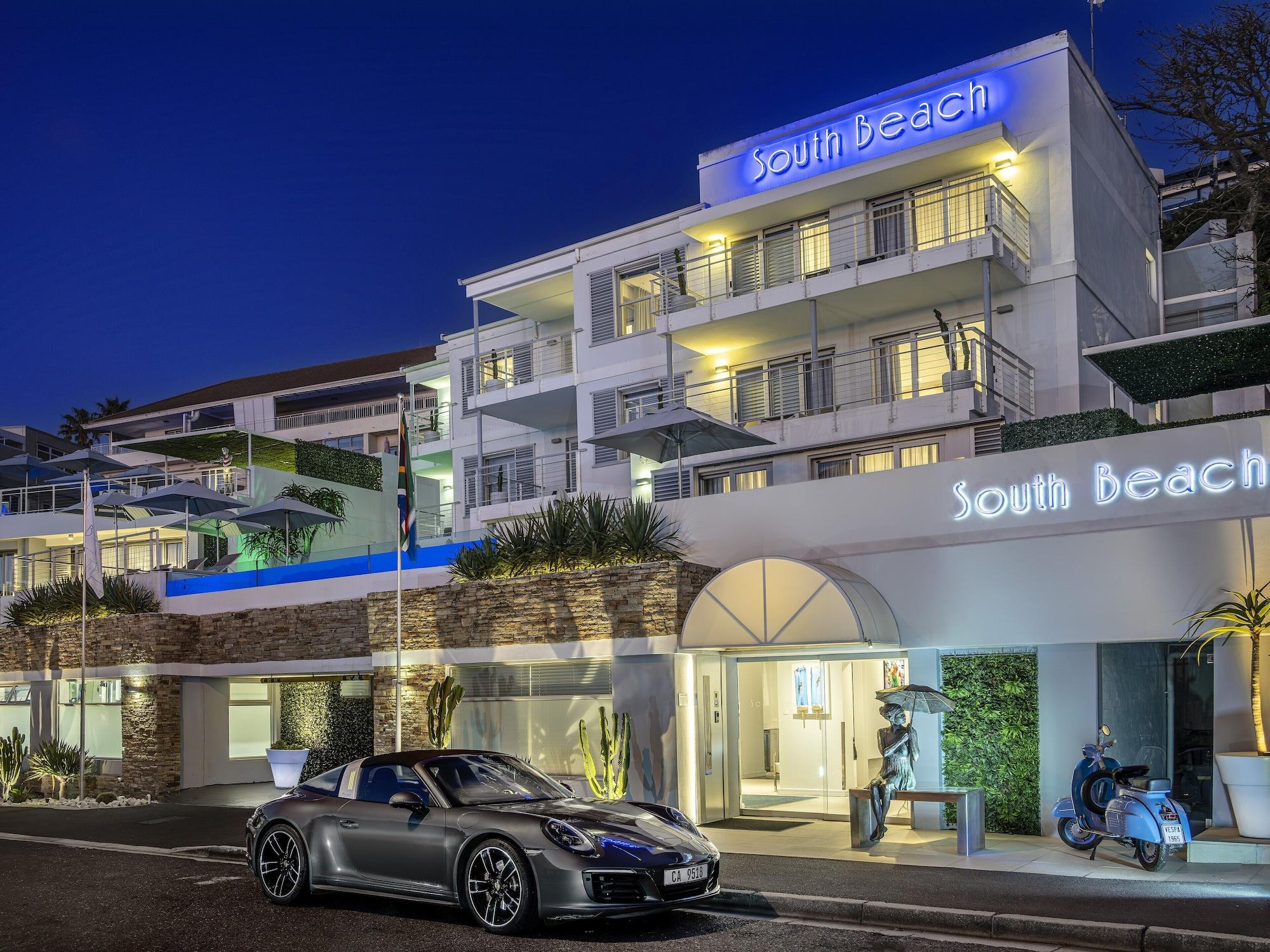
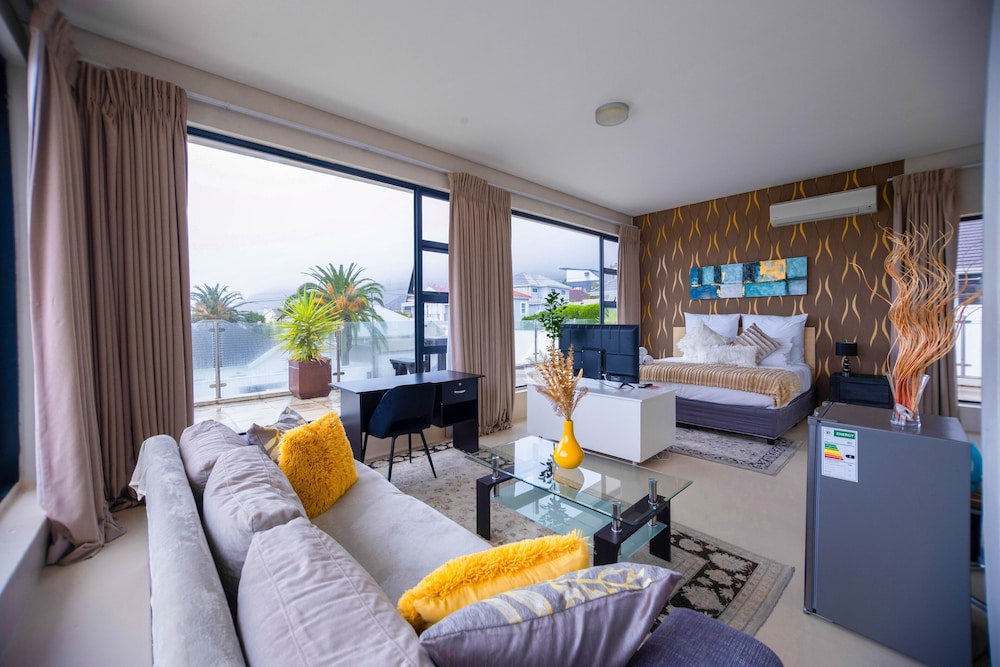
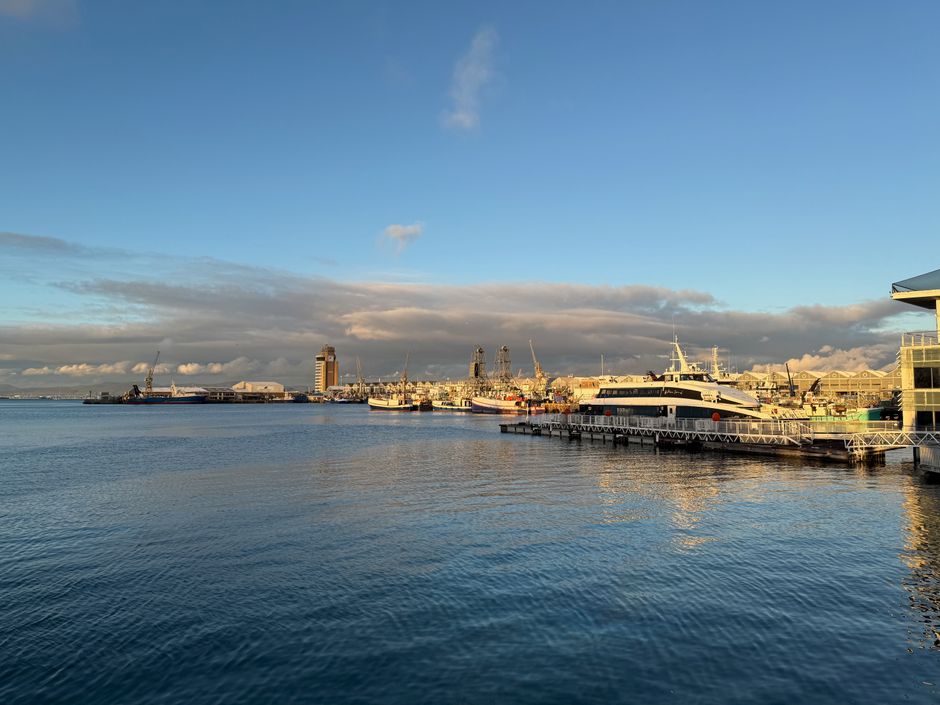
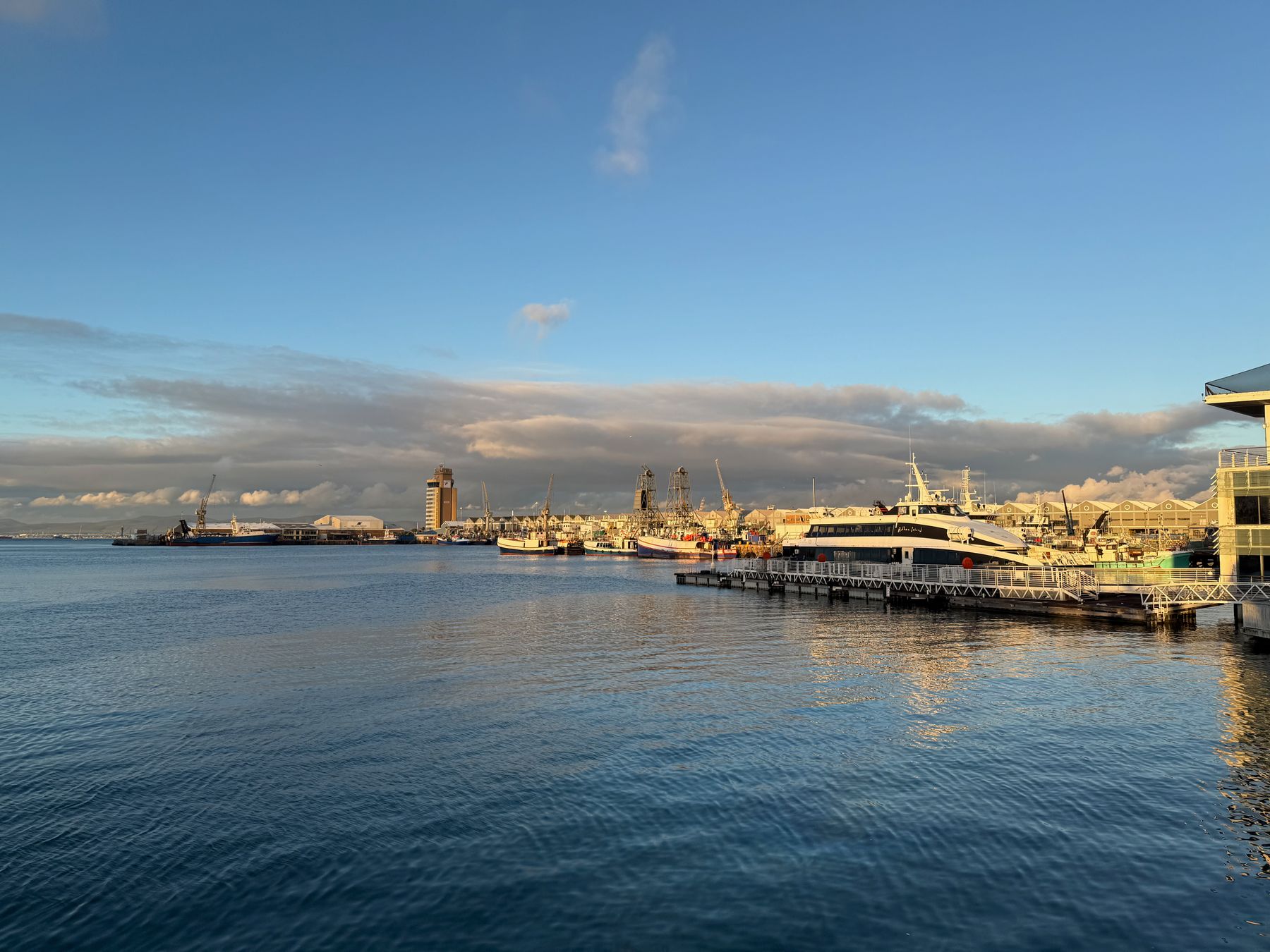
The City Bowl and Atlantic Seaboard offer the most accessible hotel options. In the City Bowl, properties around Buitengracht Street and along the Foreshore have step-free entrances, lifts, and rooms with roll-in showers. The V&A Waterfront is the gold standard: flat, paved promenades, accessible toilets, and hotels like the Table Bay and Commodore are well-versed in accessibility. Expect to pay from R1,800 to R3,500 per night for a room with a roll-in shower; book at least two months ahead for summer (November-February).
Sea Point and Green Point are also strong contenders. The Sea Point Promenade is a level, paved path popular with wheelchair users, and many hotels along Beach Road have been refurbished with accessibility in mind. However, some older buildings still have a step or two at the entrance. Always confirm specifics: door widths (at least 80cm), grab rails, and shower chairs. I would book a hotel in the V&A Waterfront for a first visit, then consider Sea Point for a longer stay.
Getting Around: Transport and Terrain
Cape Town's MyCiTi bus service is fully accessible: low-floor buses, ramps, and wheelchair spaces. The routes connect the City Bowl, V&A Waterfront, Sea Point, and Camps Bay. A single trip costs around R30, but you'll need a myconnect card (R35 deposit). Dial-a-ride services exist but require booking 24-48 hours ahead. Taxis and ride-hailing apps are hit-or-miss; request a wheelchair-accessible vehicle when booking. Driving yourself is an option: major car rental agencies offer adapted vehicles with hand controls, but these must be reserved well in advance.
The city's terrain is challenging. The City Bowl sits in a bowl, and many streets are steep. The V&A Waterfront and Foreshore are flat, but venturing into Bo-Kaap means cobblestones and gradients. The Company's Garden is mostly accessible, with paved paths, but some gravel areas. The cableway to Table Mountain has a wheelchair-accessible car, but the queue area can be crowded; go early (before 9am) or late (after 3pm). The Cape Point route involves a funicular that is not wheelchair-friendly, but the viewpoints near the parking are accessible.
Top Accessible Attractions and Hidden Gems
The V&A Waterfront is the easiest: the Zeitz MOCAA museum has lifts and accessible galleries, and the Cape Wheel has a wheelchair-accessible gondola (though the queue can be long). The Two Oceans Aquarium is fully accessible. The Robben Island ferry is accessible with assistance, but the island tour involves a bus with a ramp; book ahead. Kirstenbosch Botanical Garden has paved paths on the main route, but some trails are steep; the boomslang canopy walkway is not wheelchair-accessible.
For a quieter experience, the Iziko South African Museum in the Company's Garden has ramps and lifts. The District Six Museum is accessible but the area around it has uneven pavements. The Sea Point Promenade is a joy: 4km of flat path with ocean views, accessible toilets, and cafes with outdoor seating. Skip the crowded beaches; instead, head to the quieter Granger Bay or the Milnerton Lagoon, where boardwalks are level.
Practical Tips for a Smooth Visit
Accessible toilets are available at the V&A Waterfront, major malls, and some public areas, but outside these, facilities are scarce. Carry a radar key if you have one. The city centre's pavements are often broken or obstructed by street traders; be prepared for detours. The best months are March to May and September to November: fewer crowds and mild weather. Summer (December-February) is peak season, so book hotels and attractions early. Winter (June-August) brings rain, which can make outdoor paths slippery.
Travel insurance that covers medical equipment is wise. Pharmacies and hospitals are well-distributed; the Netcare Christiaan Barnard Memorial Hospital is near the Waterfront. For dining, most upscale restaurants have step-free access, but phone ahead. The Cape Town International Airport is accessible, with wheelchair assistance available. I would skip the township tours unless you have verified accessible transport; the roads are rough and pavements non-existent.
Before you book
The questions people ask about Cape Town, answered with this month’s numbers.
The V&A Waterfront and Foreshore are the most accessible, with flat, paved areas and accessible facilities. Sea Point Promenade is also excellent. The City Bowl has accessible hotels but steeper streets. Avoid Bo-Kaap and the slopes of Signal Hill.
MyCiTi buses are fully accessible and connect major areas. Ride-hailing apps may offer accessible vehicles but book ahead. Adapted car rentals are available but limited. The City Bowl is walkable in parts, but pavements can be uneven.
March to May and September to November offer mild weather and fewer crowds, making navigation easier. Summer is busy, so book accessible hotels and tours well in advance. Winter rain can make outdoor paths slippery.