Four Days in Wynberg: A Local's Guide to Cape Town's Southern Suburb
 Four Days in Wynberg: A Local's Guide to Cape Town's Southern Suburb
Wynberg rewards travellers who linger: a compact village of antiques, forest walks and family-run guesthouses, 20 minutes from the city centre and a world away from the V&A crowds.
Where to Stay and How to Get Around
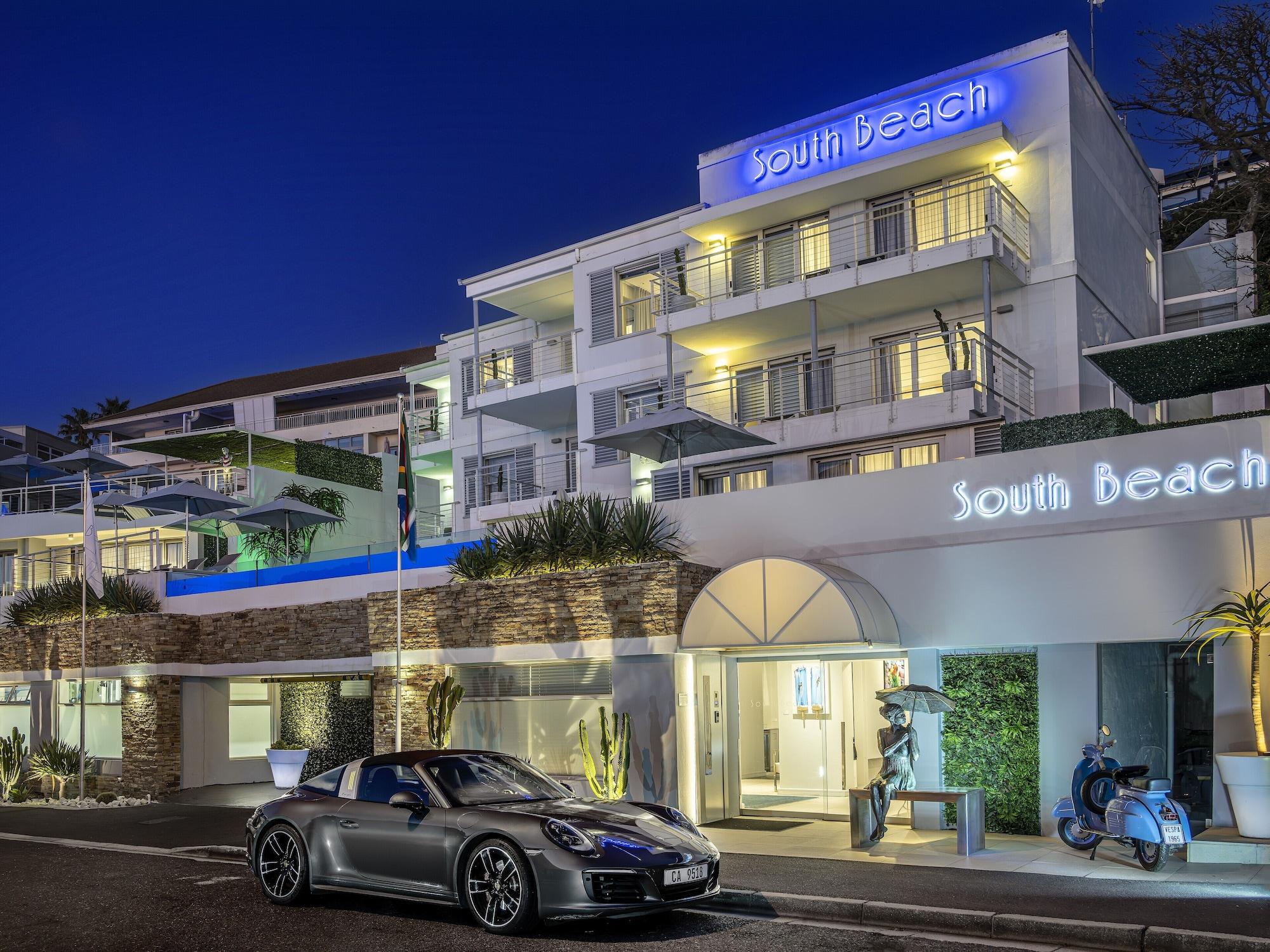
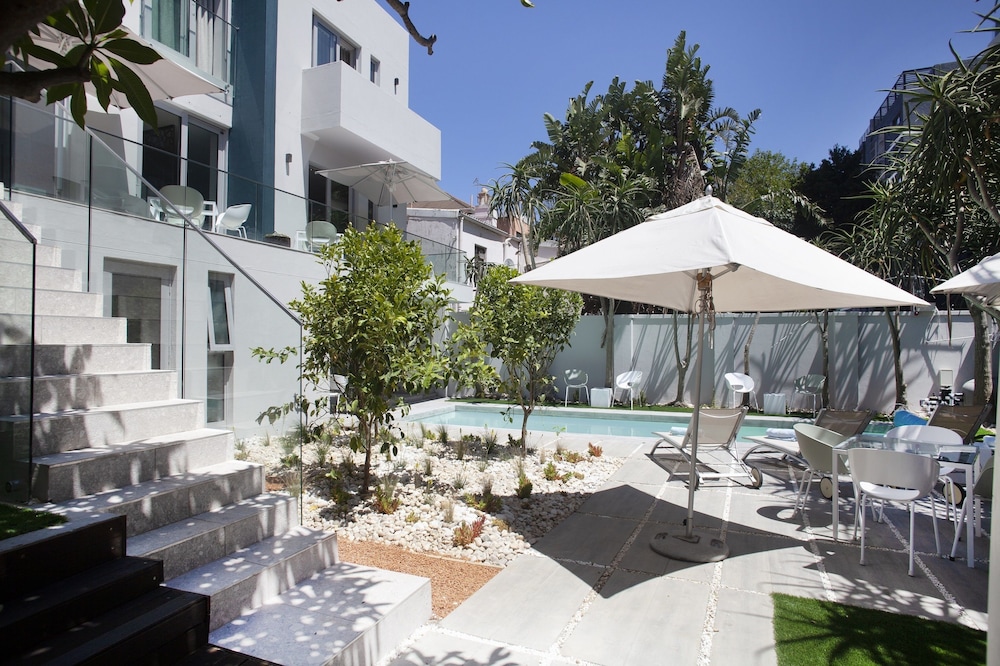
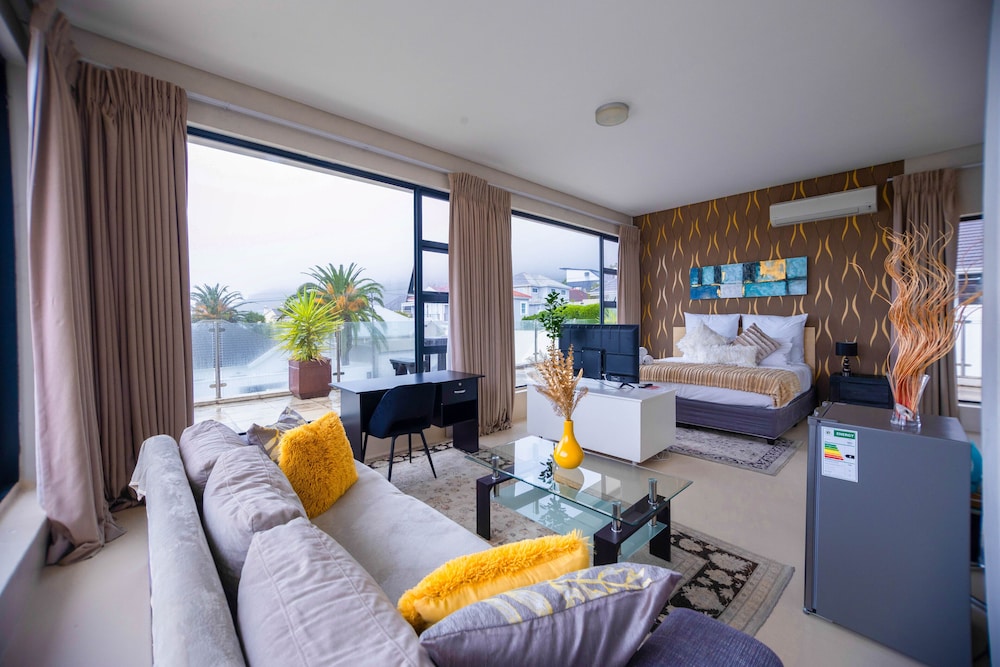
Wynberg sits roughly 11 kilometres south of the city centre, a 20-minute drive off-peak via the M3 or a 30-minute Metrorail trip from Cape Town station on the Southern Line. The suburb spreads from Wynberg Park eastward to Maynardville and down toward Ottery; most guesthouses cluster on or near Torquay Road and Wellington Avenue, where a double room typically runs R900–R1,500 per night. For four nights, I would book a garden cottage in Upper Wynberg over a city-centre hotel: you get parking, quiet nights and easy access to the Constantia wine route.
A car is genuinely useful here. Ride-hailing apps cover the suburb, but surges hit hard between 17:00 and 18:30 when commuters head south. If you are relying on public transport, the Wynberg station is on the Southern Line and trains run roughly every 30 minutes to Cape Town, Muizenberg and Simon's Town. Buy a return ticket before boarding; the queues at peak hour are slow. Parking along the main road is metered on weekdays, free on Sundays.
Day One and Two: Village Streets and Green Escapes
Start your first morning on Waterloo Road, the spine of Wynberg's antique strip. Shops such as those clustered around the Chelsea Village arcade open around 09:30; browsing is free, and the mix of Cape Dutch furniture, silver and old maps is genuinely good. Break for coffee at a café on Maynard Street, then walk five minutes to Maynardville Park, whose open-air stage hosts Shakespeare productions in summer (January–March). The park is free and pleasant for a picnic; skip it after dark.
Day two belongs to the green belt. Drive ten minutes south to the Tokai Forest trails or, closer, walk the paths through Wynberg Park up toward the Table Mountain National Park boundary. The Constantia wine route is a 15-minute drive: Groot Constantia and Klein Constantia are the best-known estates, with tastings typically R100–R250 per person. Book ahead in December and January. I would skip the bigger tasting rooms on weekends and choose a smaller estate on a weekday morning, when the lawns are quiet and the staff have time to talk.
Day Three: Coast and Peninsula
Use Wynberg as a base for the False Bay coast. The drive to Muizenberg takes 15–20 minutes via the M3 and Main Road; leave by 08:30 to beat the weekend traffic. Muizenberg's surf schools operate year-round, with beginner lessons usually R350–R500 for two hours including gear. The water is cold — a wetsuit is not optional. From there, continue to Kalk Bay for lunch at the harbour, where fishing boats still land snoek, and browse the compact bookshops and galleries on Boyes Drive's lower streets.
If you have energy left, push on to Simon's Town to see the Boulders Beach penguin colony; entry is around R190 for adults, and numbers are capped, so arrive before 10:00. The round trip from Wynberg is about 80 kilometres and makes a full day. Rather than rush it, I would book two nights in Wynberg before and two after, or simply accept a slow return via the coastal railway line — the train from Simon's Town back to Wynberg is one of the prettiest commutes in the country.
Day Four: Markets, Food and the Practicalities
Finish with a Saturday. The Biscuit Mill in Woodstock is a 20-minute drive north and its Neighbourgoods Market runs 09:00–14:00; go early, as parking fills by 10:30. Closer to home, the Wynberg Boys' High farmers' market (typically Saturday mornings) is smaller and calmer. For lunch, the halal and Cape Malay food shops along the main road near the station are excellent value — expect R60–R120 for a plate. December and January are peak season; book accommodation six to eight weeks ahead and expect rates 20–30% higher.
A few honest notes. Wynberg's main road is busy and not especially pretty; the appeal is in the side streets and the green edges. Crime is a consideration anywhere in Cape Town, so keep bags zipped in the station area and avoid walking after dark. The best months for mild, dry weather are February to April, when the south-easter eases. If you want beach days over antique hunting, stay in Muizenberg instead; if you want wine and forest walks with a real neighbourhood feel, Wynberg is the better booking.
Before you book
The questions people ask about Cape Town, answered with this month’s numbers.
Yes, if you have a car and value quiet nights over city-centre convenience. It is 20 minutes from the centre, close to Constantia's wine estates and the False Bay coast, and guesthouse rates are typically lower than in the Atlantic Seaboard suburbs.
A car makes the area much easier, especially for wine estates and forest walks. The Southern Line train connects Wynberg to Cape Town and Simon's Town, and ride-hailing works, though surge pricing is common at commuter peak times.
February to April offers mild, dry weather and fewer crowds than December and January. Summer (December–February) is peak season, with higher room rates and busier wine estates; book six to eight weeks ahead if travelling then.