How to Read Cape Town's Weather Forecast Before You Book
 How to Read Cape Town's Weather Forecast Before You Book
Cape Town's weather is notoriously localized and seasonal—here's how to decode forecasts so you pick the right month and neighbourhood for your stay.
Why Cape Town's Forecast Is Trickier Than It Looks
Cape Town sits between the cold Atlantic and the warm Indian Ocean, with Table Mountain creating a rain shadow that makes the city's weather highly variable. A forecast for 'Cape Town' often refers to the city bowl, but conditions in Camps Bay, Constantia, or the Cape Flats can differ significantly. The mountain acts as a barrier: when south-easterly winds bring moisture, the southern suburbs get drenched while the northern suburbs stay dry. Similarly, the famous 'tablecloth' cloud can blanket the mountain while the city centre basks in sunshine. Always check forecasts for the specific area you plan to stay in, not just the citywide average.
Seasonality is stark: summer (November–March) brings dry, windy days with temperatures averaging 20–27°C, while winter (June–August) is cool and wet, with averages of 7–18°C and most of the annual rainfall. The shoulder months (April–May, September–October) offer a mix but can be unpredictable. Wind is a major factor: the south-easter (known locally as the 'Cape Doctor') can blow at 30–40 km/h for days, making beaches unpleasant and affecting outdoor plans. Forecasts often underplay wind, so look for wind speed and direction, not just temperature and rain.
How to Use Forecasts to Choose Your Booking Dates
When planning, use a 10-day forecast to fine-tune, but for booking months ahead, rely on historical climate data. Sites like the South African Weather Service provide monthly averages for rainfall, temperature, and wind. For a beach holiday, aim for February–March when the wind is less relentless and the water is warmer. For hiking, April–May offers cooler temperatures and fewer crowds. Winter is ideal for wine tasting in Constantia or Stellenbosch (just outside Cape Town), but pack waterproofs. Avoid late December–early January if you dislike crowds and high prices; accommodation in Camps Bay and the city centre books out months in advance and rates double.
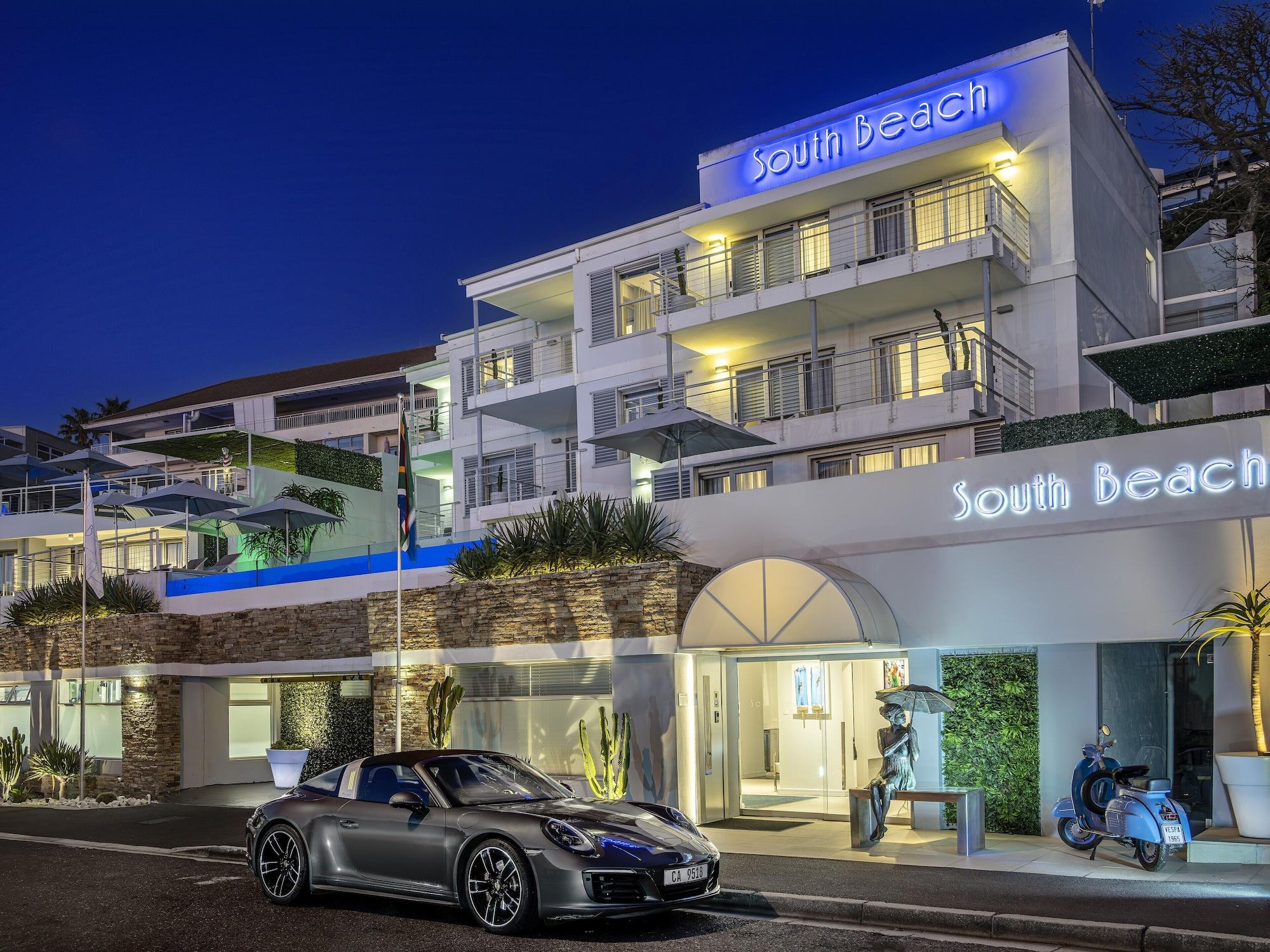
Check the forecast for the exact neighbourhood: the City Bowl (including Gardens and Tamboerskloof) often has milder evenings than the Atlantic seaboard. If you're prone to wind, avoid high-rise hotels in Green Point or Sea Point during summer; instead, consider properties in Oranjezicht or Higgovale tucked under the mountain. For winter, look for hotels with heated pools and cosy lounges, such as those in Constantia or the V&A Waterfront. Use the forecast to decide between a hotel with a spa (for rainy days) or one with a rooftop pool (for sunny ones).
Reading the Details: Wind, Rain, and Microclimates
Wind direction matters: a south-easter means cool, windy conditions on the Atlantic seaboard (Camps Bay, Clifton) but warmer, sheltered weather in the city bowl and northern suburbs. A north-wester brings rain and cold to the city, but can be pleasant in Simon's Town or Muizenberg on the False Bay coast. Rainfall is often concentrated in winter, but summer can see occasional showers. The forecast's 'chance of rain' is usually reliable for the next 48 hours; beyond that, treat it as a guide. If you see a cold front approaching in winter, expect heavy rain and possible flooding in low-lying areas like Milnerton—plan indoor activities like the Zeitz MOCAA or Iziko museums.
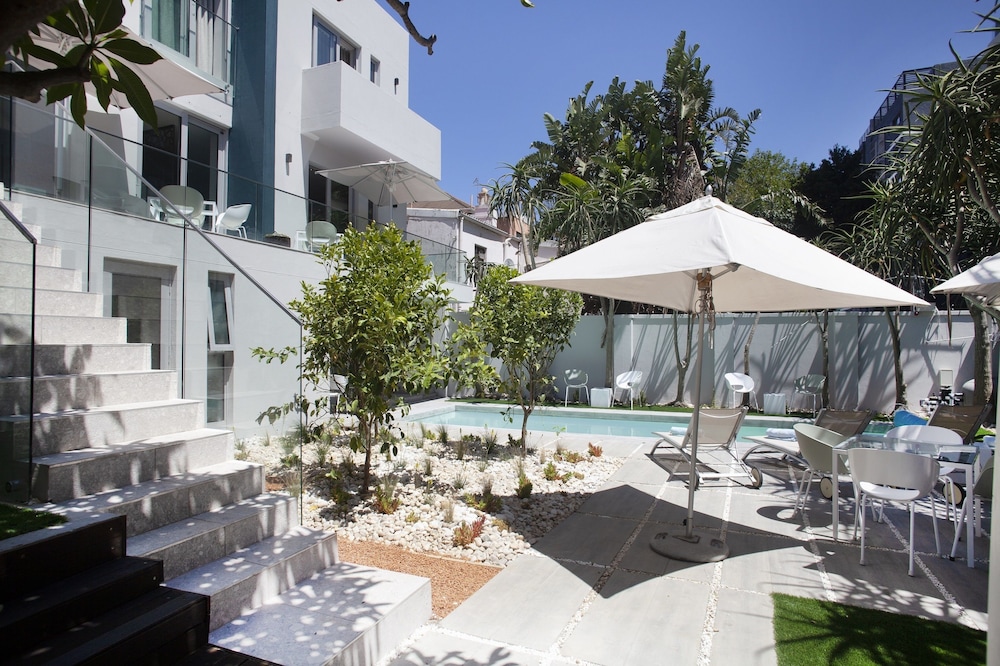
Temperature forecasts can be misleading: the Atlantic seaboard is cooler in summer due to the cold Benguela current, while the city bowl can be 5°C warmer. In winter, the opposite occurs: the city bowl is milder than the southern suburbs. Always check the 'feels like' temperature, especially with wind chill. For water activities, sea temperatures range from 10–15°C on the Atlantic side to 18–22°C in False Bay; a wetsuit is advisable year-round. If you're booking a hotel with a pool, confirm if it's heated—many unheated pools are unusable from May to September.
Which Neighbourhood to Book for Your Weather Preferences
If you want guaranteed sunshine and don't mind wind, book in the City Bowl or De Waterkant—these areas are sheltered from the south-easter and have plenty of restaurants and cafes within walking distance. For beach lovers who can tolerate wind, Camps Bay and Clifton offer stunning views but come with a premium; consider Sea Point or Green Point for better value and easy access to the promenade. In winter, the V&A Waterfront is convenient but can be touristy; instead, look at Boutique hotels in Oranjezicht or Gardens, which are quieter and close to the mountain trails. If you're a wine enthusiast, staying in Constantia puts you near the vineyards and offers a peaceful retreat, but you'll need a car.
For families, the northern suburbs like Durbanville or Bellville offer drier, warmer weather and more affordable accommodation, but it's a 20–30 minute drive to the main attractions. Skip the Atlantic seaboard in August unless you're prepared for rain and wind; rather, opt for the False Bay coast (Muizenberg, Kalk Bay) where the water is warmer and the wind less fierce. My pick: for a first visit, book a hotel in the City Bowl for easy access to everything, and use the forecast to plan day trips—head to Stellenbosch on a rainy day (indoor tasting) and to Cape Point on a clear one.
Before you book
The questions people ask about Cape Town, answered with this month’s numbers.
February and March offer the most stable weather: warm, dry, and less windy than December–January. September–October is also pleasant but can be unpredictable. Avoid July–August if you dislike rain.
Forecasts up to 3 days ahead are generally accurate, but beyond that, treat them as a guide. Microclimates mean you should check forecasts for your specific area, not just the citywide forecast.
Yes, winter (June–August) is the rainy season, with about 70–80 mm of rain per month. Rain often comes in short, heavy bursts, so you can still enjoy indoor activities like museums and wine tasting.
The Cape Doctor is a strong south-easterly wind that blows in summer, often for days. It can make beaches like Camps Bay uncomfortable and cancel boat trips, but the city bowl is sheltered. Pack a windbreaker.
The City Bowl and northern suburbs (e.g., Durbanville) are more sheltered from wind and have milder temperatures. The Atlantic seaboard is cooler and windier in summer, while the False Bay coast is warmer for swimming.
The Atlantic Ocean is cold (10–15°C), so most people wear wetsuits. False Bay is warmer (18–22°C) and better for swimming. Hotel pools are often unheated, so check before booking if you plan to swim.
For peak season (December–January), book 4–6 months ahead for the best rates and choice. For other times, 2–3 months is sufficient, but check the forecast to avoid windy or rainy periods if you're sensitive to weather.