How to Spend a Long Weekend in Cape Town in Spring
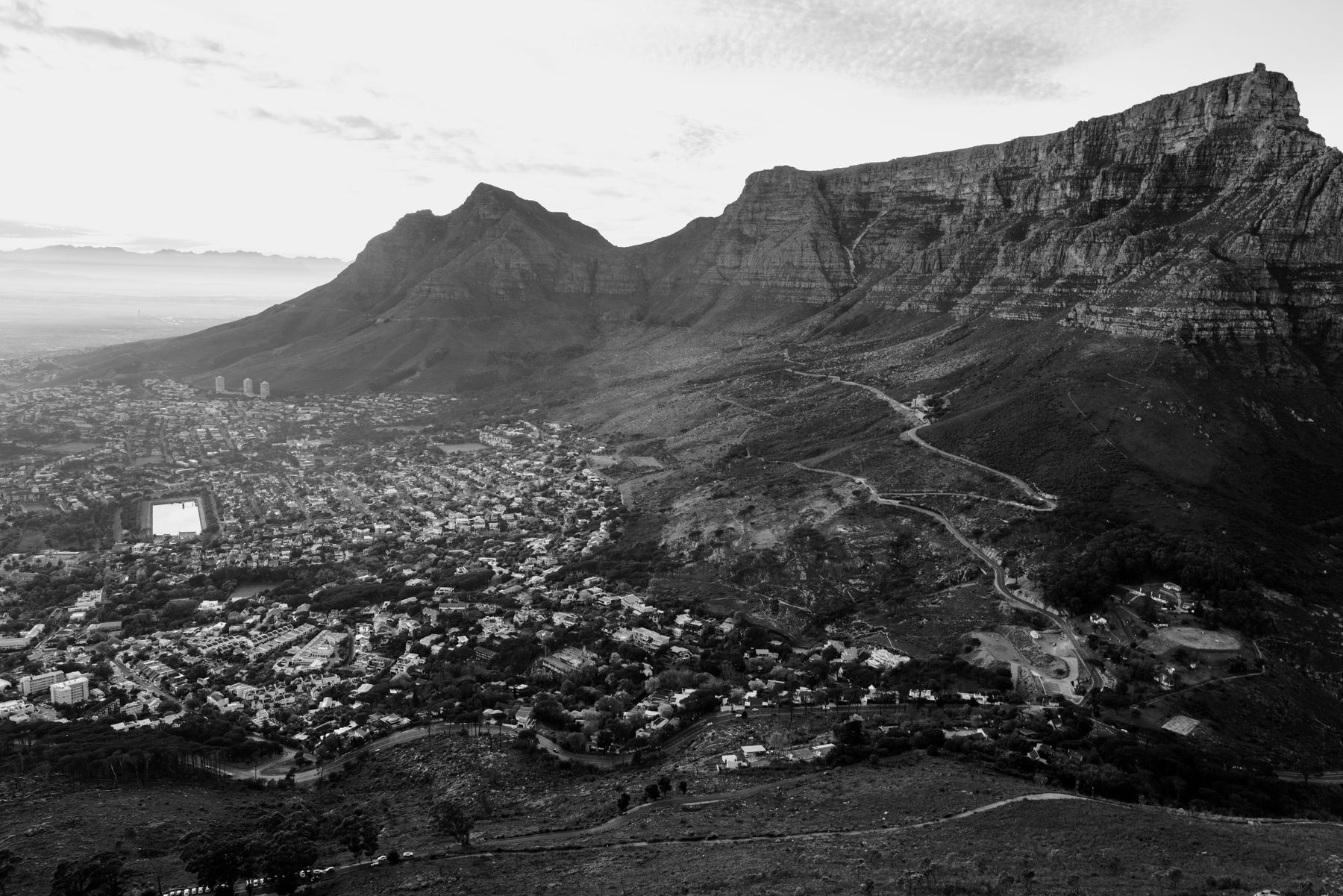 How to Spend a Long Weekend in Cape Town in Spring
September to November brings wildflowers, whale season and quieter trails to the city — here is how to shape three or four days around them without spending them in traffic.
Base yourself where the weather and the roads work for you
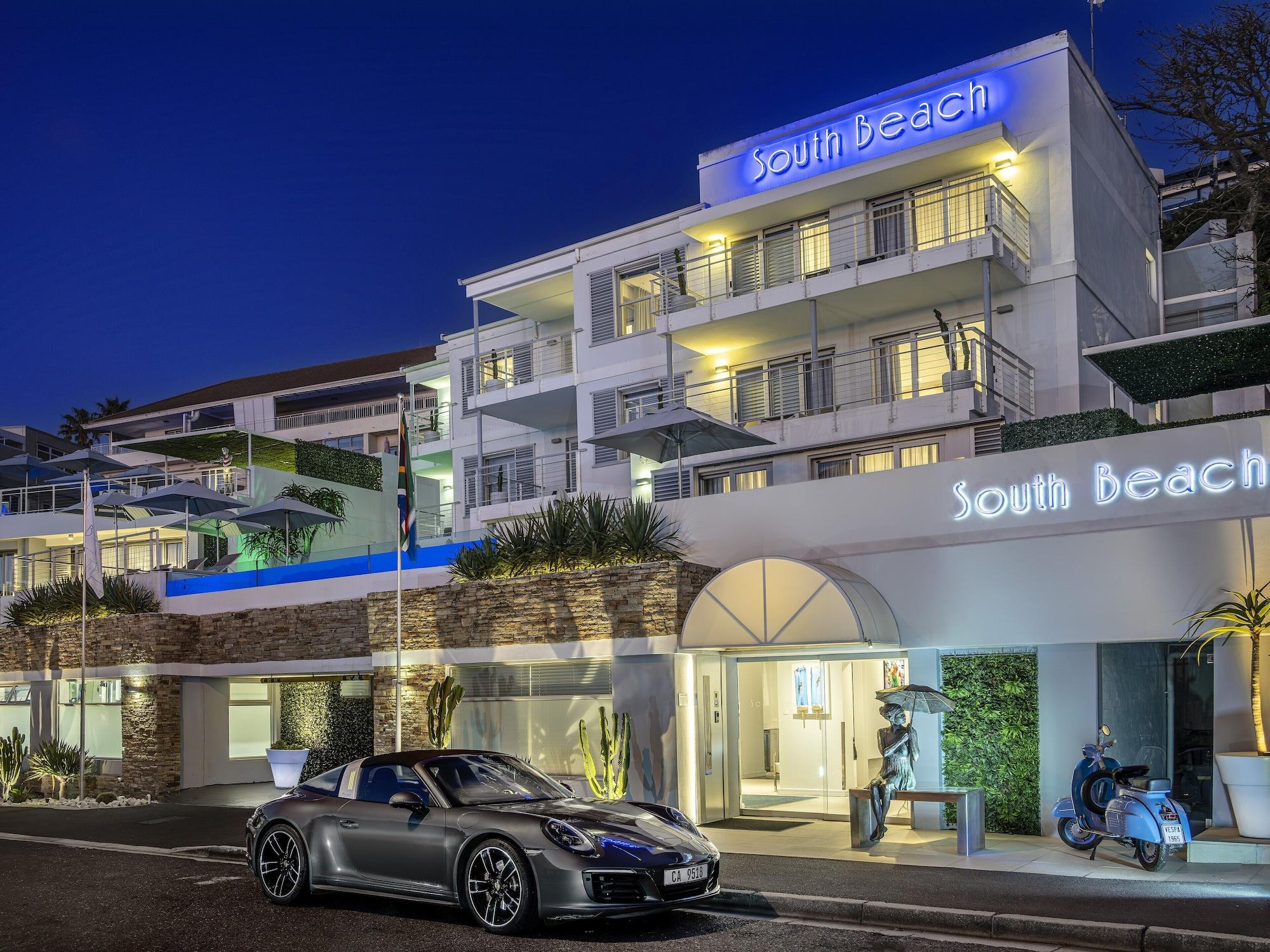
Spring in Cape Town is a shoulder season with two personalities: the south-easter can still blow through September, while October and November tend to settle into clearer, warmer days. For a long weekend, the City Bowl — Gardens, Tamboerskloof, Oranjezicht — puts you within a short walk of Kloof Street's restaurants and a ten-minute drive from the Table Mountain cableway. Atlantic Seaboard suburbs such as Sea Point and Green Point trade mountain proximity for a promenade and easier evenings; they are roughly fifteen to twenty minutes from the city centre by car outside rush hour.
If you want to be close to the cableway and Kirstenbosch, book the City Bowl or the southern suburbs around Newlands and Claremont, where guesthouses sit near Main Road and the M3 gets you south quickly. For a first trip I would choose Tamboerskloof or Oranjezicht over the V&A Waterfront: the Waterfront is convenient and well serviced, but it is a shopping district at night, and you will drive more for the things that make Cape Town distinctive. Whatever you pick, confirm parking — street parking in the Bowl is tight on weekends.
Day one: the mountain, then the city at ground level
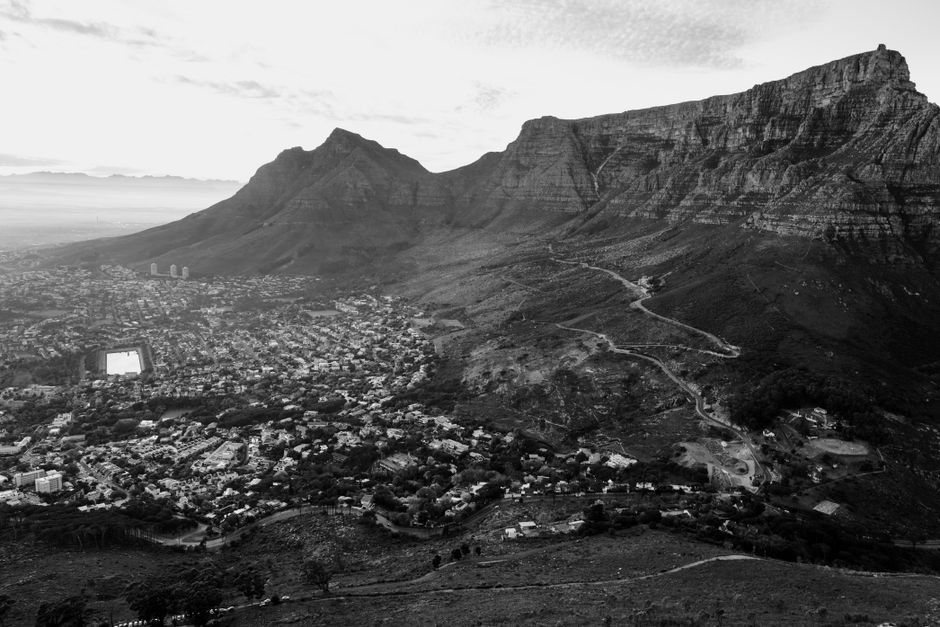
Table Mountain's cableway opens at 08:30 and closes depending on wind; spring mornings are usually the calmest window, so go early and check the official status before leaving your hotel. A return ride takes two to three hours including time on the plateau. If the cableway is closed, skip it rather than waiting — the walk up Platteklip Gorge is steep and hot, and not a substitute for a leisure trip. Instead, drive the signal hill road for the view, then walk the Company's Garden and the Iziko South African Museum on Queen Victoria Street.
Spend the afternoon in Bo-Kaap for the colour and Cape Malay food, then take the short drive to the V&A Waterfront for the Zeitz MOCAA contemporary art museum, which deserves two hours. Sunset works best from Signal Hill or the Sea Point promenade, where the paved path runs from the lighthouse to Bantry Bay. Book dinner in the city rather than at the Waterfront if you want better value; Kloof Street and Bree Street have the density of choice. A hired car is useful but not essential for this day — rideshares are plentiful.
Day two: the peninsula, penguins and a cold swim
The Cape Peninsula deserves a full day and an early start. Take the M3 to Muizenberg, where the colourful bathing boxes line the beach and the water is genuinely cold year-round, then continue on the False Bay coast through Kalk Bay — a working harbour with fish and chips and small galleries on Main Road — to Simon's Town. Boulders Beach's penguin colony is best visited before 10:00 or after 15:00; the boardwalk entry is timed and the beach itself is a separate, smaller gate. From there, the drive over Chapman's Peak to Hout Bay is the scenic highlight, and the toll road is short.
Allow eight to nine hours door to door and skip Cape Point if you are short of time — the lighthouse viewpoint adds two hours of driving for a view you have largely already had. Back in the city, spring evenings are cool enough for a fire and a long dinner. Whale season peaks between August and October along the False Bay coast, so bring binoculars for the drive between Fish Hoek and Simon's Town; Hermanus, two hours east, is the better-known whale town, but it is a day trip in its own right, not a stop to bolt on.
Day three: wine, gardens and the slow side of the city
Kirstenbosch National Botanical Garden is at its best from September, when the proteas and ericas come into flower. Go on a weekday morning, take the Boomslang canopy walkway, and allow three hours; the tea room is a decent stop. From there the Constantia wine route is fifteen minutes away, with tastings along Klein Constantia Road and Spaanschemat River Road — book ahead for weekends in November and expect tasting fees rather than free pours. Stellenbosch and Franschhoek are 45 to 60 minutes further east and better done as a separate day.
If you have a fourth day, use it for the Winelands or for the West Coast wildflower drive towards Darling, which peaks in late August and September. Otherwise, give the last morning to Woodstock's galleries and the Old Biscuit Mill market on a Saturday, and leave the afternoon free for the airport — allow 45 minutes to Cape Town International from the City Bowl, more in Friday traffic. Skip the crowded sunset bus up Lion's Head on a windy day and take the contour path instead, which is gentler and quieter.
Before you book
The questions people ask about Cape Town, answered with this month’s numbers.
Four full days covers the mountain, the peninsula and one wine region without rushing. Three days works if you drop Cape Point or the Winelands. Anything under three days leaves you spending more time in the car than outdoors, especially with spring wind disrupting the cableway.
November is warmer and calmer, but busier and pricier. September is quieter and greener, with wildflowers on the West Coast, though the south-easter can close the cableway for a day. October is the compromise I would book first, with the best balance of weather and availability.
For the peninsula and Winelands, yes — public transport does not reach Boulders Beach or Constantia conveniently. For a City Bowl-based weekend, rideshares are cheaper than parking and daily rental. Many hotels charge for parking, so ask before booking if you plan to keep a car.
Tamboerskloof, Oranjezicht or Gardens put you near the cableway, Kloof Street and the Company's Garden. Sea Point and Green Point suit travellers who want a promenade and easier restaurant evenings. The V&A Waterfront is convenient but feels commercial after dark.
Mornings are often clear and cool, with the south-easter picking up in the afternoon. Temperatures vary widely between the City Bowl and the Atlantic Seaboard, so layer clothing and carry a windproof jacket. Rain is possible in September but rarely lasts all day.
The Atlantic side, from Clifton to Camps Bay, is cold year-round — brisk but tolerable for short swims. False Bay around Muizenberg and Fish Hoek is a few degrees warmer and patrolled by lifeguards in season. Most visitors swim briefly and dry off in the sun.
For October and November, book four to six weeks ahead; spring school holidays and long weekends fill the City Bowl's smaller guesthouses quickly. September offers more last-minute flexibility. Confirm whether your rate includes breakfast and parking, as both vary widely between properties.
Cape Point if time is tight, the sunset bus on windy days, and long lunches at the Waterfront when Bree Street is ten minutes away. Robben Island is worthwhile but swallows half a day and is weather-dependent — check crossings before committing.